Surflay Nanotec Company
Surflay Nanotec GmbH
Founded in 2008 by Dr. habil. Lars Dähne ● An interdisciplinary team of 13 scientists, engineers and technicians ● Located in the Berlin-Adlershof Technology Park, Surflay has access to technology / analytical techniques of numerous neighbour companies
History
Following the development of the Layer-by-layer encapsulation at Max Planck Institute of Colloids and Interfaces, five Max Planck scientists founded the start-up company Capsulution in 2001. The main focus of this startup was the encapsulation and delayed, or triggered, release of active pharmaceutical ingredients. In parallel, under the direction of the chemist Dr. Lars Dähne, successful research was ongoing on the application of LbL technology in non-pharmaceutical fields.
The increase in the succcess and importance of non-pharmaceutical applications eventually led to the starting of the spin-off company Surflay Nanotec GmbH in 2008 by Dr. Lars Dähne. Four employees of Capsulution joined the company shortly afterwards.
Through development of numerous innovative applications, Surflay has continued to grow and can now boast a team of 12 interdisciplinary scientists.
With modern equipment, excellent networking possibilities and a prime location in technology park Berlin-Adlershof, Surflay is at the cutting edge of polymer and surface science as well as microsensors. In the last 10 years, the company has helped academic and industrial partners develop highly valuable technologies and products – always rapidly and with a passion for science.
Surflay Team
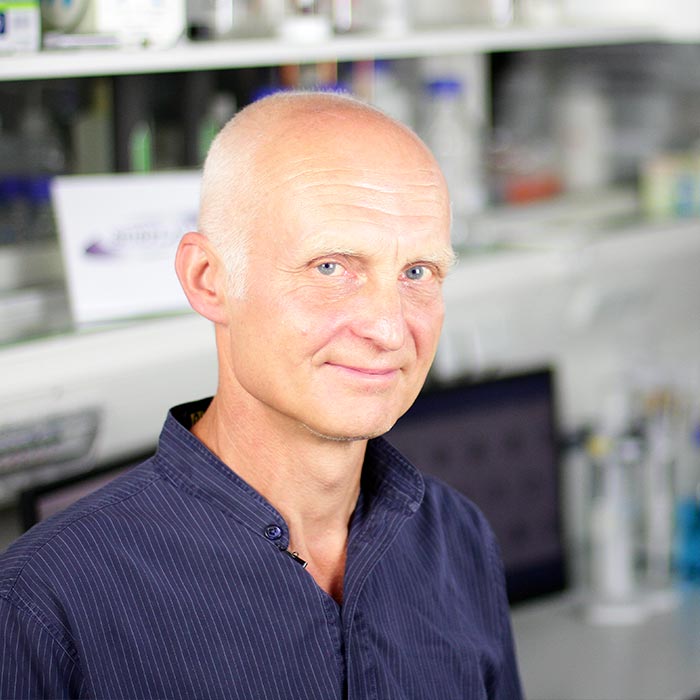
Dr. habil. Lars Dähne
Chief Executive Officer
Degree in Chemistry, Post-Doctorate in Organic Dye Chemistry, Habilitation Physical Chemistry
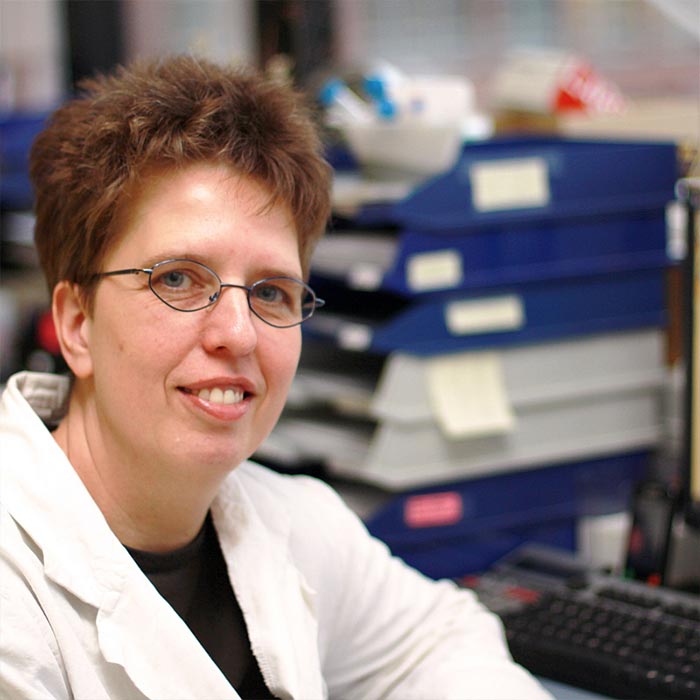
Dr. Gabriella Egri
Degree in Biotechnology. Post-Doctorate in Organic Chemistry
Contact: g.egri(at)surflay.com

M.Sc. Dennis Kaden
Degree in Pharmaceutical and Chemical Engineering
Contact: d.kaden(at)surflay.com

Dr. Wei Wan
Degree in Chemistry, PhD in Organic Synthesis
Contact: w.wan(at)surflay.com

Dipl.-Ing Robert Niestroj-Pahl
Degree in Biotechnology
Contact: r.niestroj-pahl(at)surflay.com

M.Sc. Stefan Wagner
Degree in Biology Contact: s.wagner(at)surflay.com

Dr. Mateusz Olszyna
PhD in Biophysics Contact: m.olszyna(at)surflay.com

M.Sc. Algi Domac
Degree in Biology Contact: a.domac(at)surflay.com

B.Sc. Abdelrahman Alsaqqal
Degree in Pharmaceutical and Chemical Engineering
Contact: a.alsaqqal(at)surflay.com
Applications
Life Science

Several active substances/medicines have to be released continuously over a long period of time or have to be delivered specifically to the site of action. This is necessary in order to achieve the best possible effect or to reduce possible side effects. Surflay develops drug delivery systems. We are also engaged in the coating of medical devices (e.g. stents).
see our projects ...Water industry
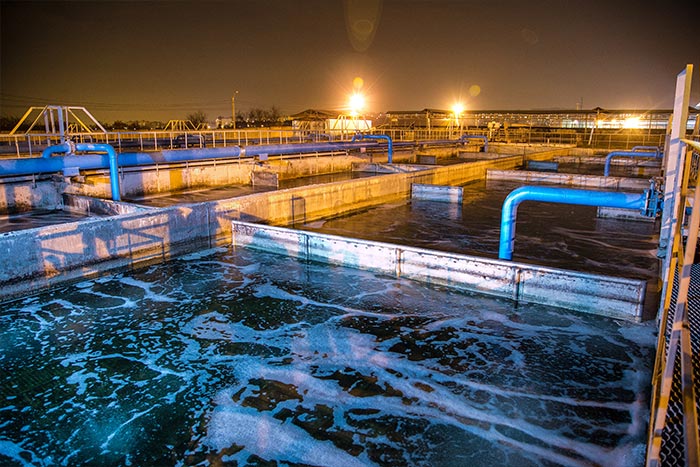
Water is a valuable commodity, especially in times of drought and in areas with low water resources. In addition, the manufacturing industry in many industries requires thousands of cubic meters of fresh water, which must then be purified again. We develop novel membrane technologies together with our partners from the water industry.
see our projects ...Agriculture

Today, agriculture faces enormous challenges. On the one hand, farmers have to work as productively and economically as possible, and on the other hand, they are required to produce in an ecologically sustainable way. Surflay can support agriculture with innovative encapsulation techniques for pesticides, herbicides or fungicides.
see our projects ...Cosmetics

Innovative cosmetic products are transforming the beauty industry, particularly in hair coloring and tattooing. New hair dyes offer vibrant, long-lasting colors with nourishing ingredients that promote hair health. Meanwhile, advanced tattooing techniques, such as semi-permanent inks, allow for creative expression without the lifelong commitment. These trends empower individuals to explore their unique styles while prioritizing hair and skin care.
see our projects ...New Materials

Innovative materials are revolutionizing the field of chromatography, enhancing separation techniques and improving accuracy. Recent advancements include the development of specialized coatings and porous structures that optimize analyte interaction. Additionally, damage indicators integrated into these materials provide real-time monitoring of performance, ensuring reliability and efficiency in various applications. These innovations are paving the way for more precise and effective analytical processes.
see our projects ...Other

Surface modification plays a crucial role in enhancing sensor technology, particularly through the development of hydrophobic surfaces. These modifications improve the sensitivity and selectivity of sensors by reducing unwanted interactions with water. Additionally, fluorescence standards are essential for calibrating these sensors, ensuring accurate measurements. Together, these advancements enable more reliable and efficient detection in various applications, from environmental monitoring to biomedical diagnostics.
see our projects ...